
Abdukodir Khusanov was always going to attract comparisons. His story is too unusual for Central Asian football: an Uzbek centre-back moved from Lens to Manchester City and immediately entered a world where every promising defender is measured against a familiar name.
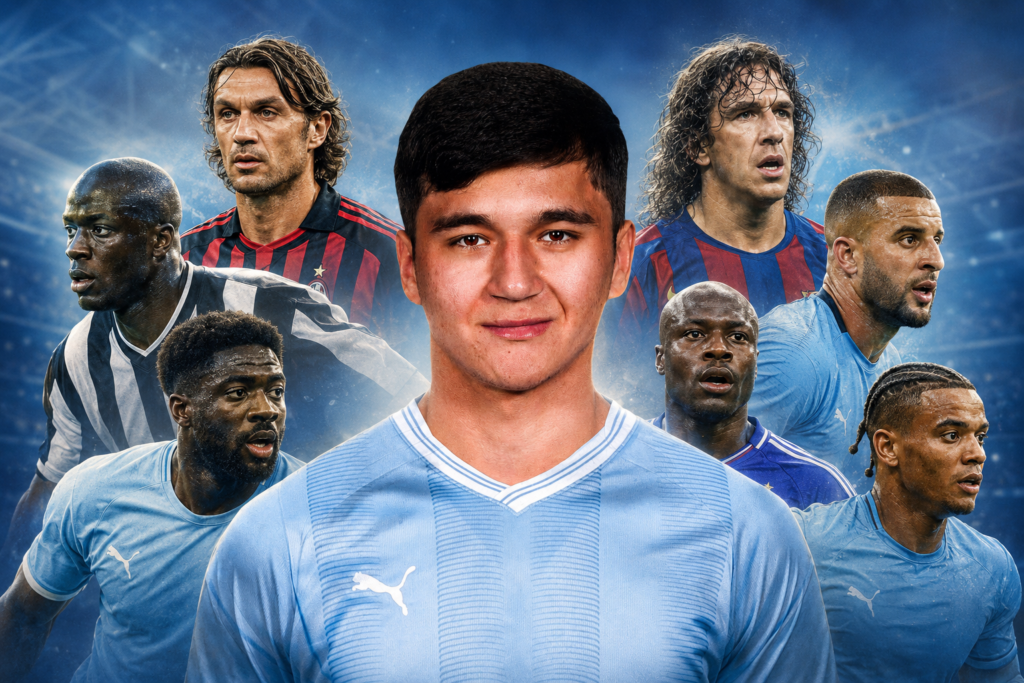
A new Maldini? A new Puyol? A new Walker?
The easy answer would be to choose one. The better answer is more complicated. Khusanov is not a copy of any of them. But through those names — and a few others — it is possible to understand what kind of defender he is becoming.
He is not a classic penalty-box centre-back. He is not yet a defensive organiser in the mould of Ruben Dias. And he is not a ball-playing centre-back like John Stones. Khusanov’s profile is different: speed, aggression, duels, recovery runs and the ability to defend large spaces.
That makes him a very modern defender. In today’s football, especially in teams that play with a high line, centre-backs are no longer judged only by how they defend their own box. They must cover the space behind them, survive one-v-one situations, protect wide channels and make the team’s attacking structure less vulnerable.
That is where Khusanov becomes interesting.
Kyle Walker: the clearest functional comparison
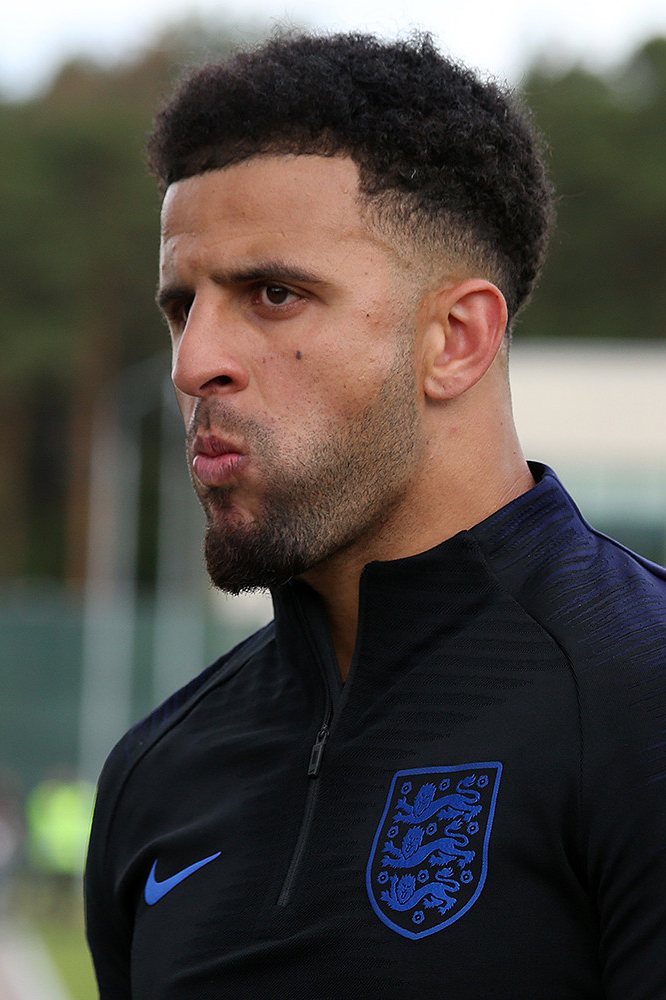
The most useful comparison is not about position. Khusanov is not Kyle Walker. He is not a classic full-back, and his long-term role is likely to remain closer to the centre than to the touchline.
But Walker is the clearest functional reference.
In Pep Guardiola’s Manchester City, Walker was never just a right-back. He was the team’s insurance mechanism. When City pushed high and left space behind the defensive line, Walker was often the player who killed counter-attacks before they became real danger. He could cover the right channel, win races against fast forwards and correct situations that would punish almost any other defender.
That part of Walker’s profile helps explain Khusanov.
The Uzbek defender’s value is not only in the duel itself. It is in the distance he can cover before the duel happens. He can defend forward, recover backwards and arrive in spaces where many centre-backs would already be beaten.
For a high-line team, that matters. A player like Khusanov can make an aggressive defensive structure safer. He gives a coach the option to defend higher because he has the speed to protect the space behind.
That does not make him “the new Walker”. But it does explain why Walker is the most natural modern reference point.
Lilian Thuram: power, versatility and the right side
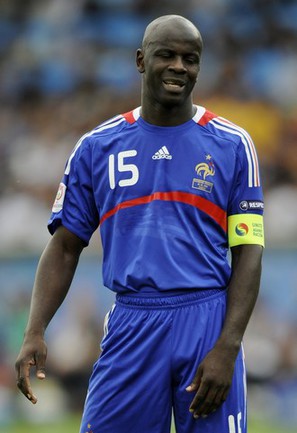
If we look for an older reference, Lilian Thuram is one of the more interesting names.
Not because Khusanov is close to Thuram’s level. That would be a huge exaggeration. Thuram was an elite defender with world-class tactical intelligence and years of top-level consistency.
But as a type, Thuram is useful.
He was powerful, quick, disciplined and capable of playing both on the right and in the centre. He could defend one-v-one, cover large areas and use his physical strength without becoming only a physical defender. He was a right-sided defender before football became obsessed with hybrid roles.
Khusanov has some of those basic tools. He is naturally a centre-back, but his skill set also points towards right-sided duties: covering the channel, defending against pace, stepping across to protect space and giving the back line more athletic security.
That is why Thuram works as a historical frame, not as a direct comparison.
Thuram shows the kind of broad defensive profile Khusanov could develop towards: strong, fast, tactically disciplined and not limited to one fixed zone.
Kolo Toure: a defender of speed and recovery
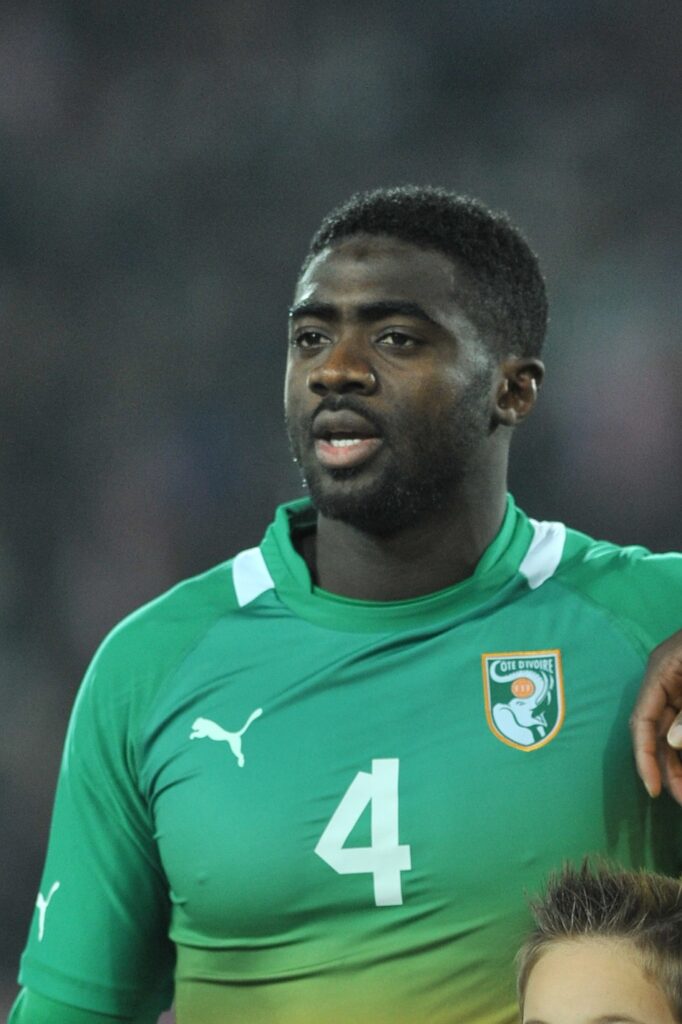
If we remove the glamour and look for a more practical comparison from the 2000s, Kolo Toure may be even closer.
Toure was not the most elegant centre-back of his generation. He was not built around calm possession or long passing. His game was based on athleticism, reaction, aggression and recovery speed.
At Arsenal, he was a centre-back who could defend forward. He was comfortable in a team that wanted to play high, take risks and leave space behind the defensive line. He did not only defend the box. He defended the pitch.
This is where the comparison with Khusanov becomes useful.
Khusanov also looks like a defender who needs space to show his best qualities. He can attack the ball, chase runners, recover after turnovers and defend in uncomfortable zones. He is not at his best if the game asks him only to sit deep and clear crosses for 90 minutes.
Toure helps explain Khusanov’s football nature: not a static defender, but a defender of movement.
For teams that press high, this type of centre-back is valuable. He may make mistakes. He may still need refinement. But he gives a team something that cannot easily be coached: acceleration, courage and the physical capacity to defend far from goal.
William Gallas: the honest comparison
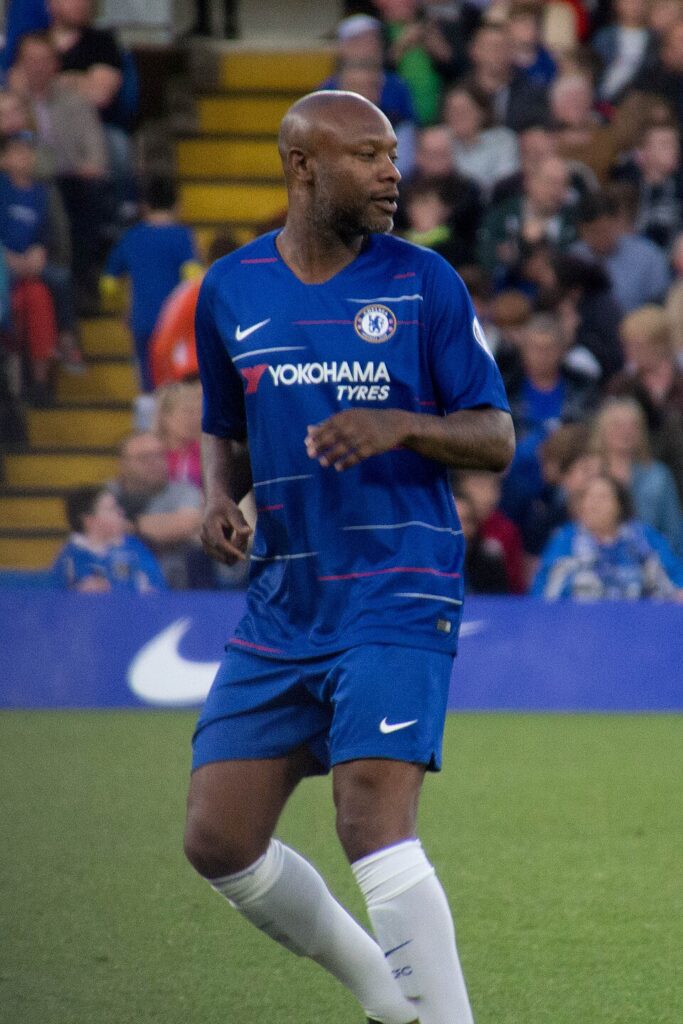
William Gallas is not the most fashionable name, but he may be one of the most honest comparisons.
Gallas was quick, sharp, versatile and tactically useful. He could play in central defence and at full-back. He was not a giant, not a romantic defensive icon, not the face of one great football idea. But coaches valued him because he could solve different problems.
That is an important point for Khusanov.
Not every top-level defender has to become a symbolic leader like Maldini, Puyol or Dias. Some become elite because they are flexible. They can play different roles, cover different spaces and fit different tactical structures.
Khusanov’s future may look more like that.
He can develop as a right-sided centre-back in a back four. He can be used as a wide centre-back in a back three. He can cover the right channel when the full-back moves inside or forward. He can be useful against teams with fast wingers and vertical attacks.
Gallas is not a glamorous comparison. But it is a serious one.
Khusanov may not need to become the commander of an entire defence. He may become something just as useful in modern football: a defender who gives a coach tactical freedom.
Paolo Maldini: trajectory, not style
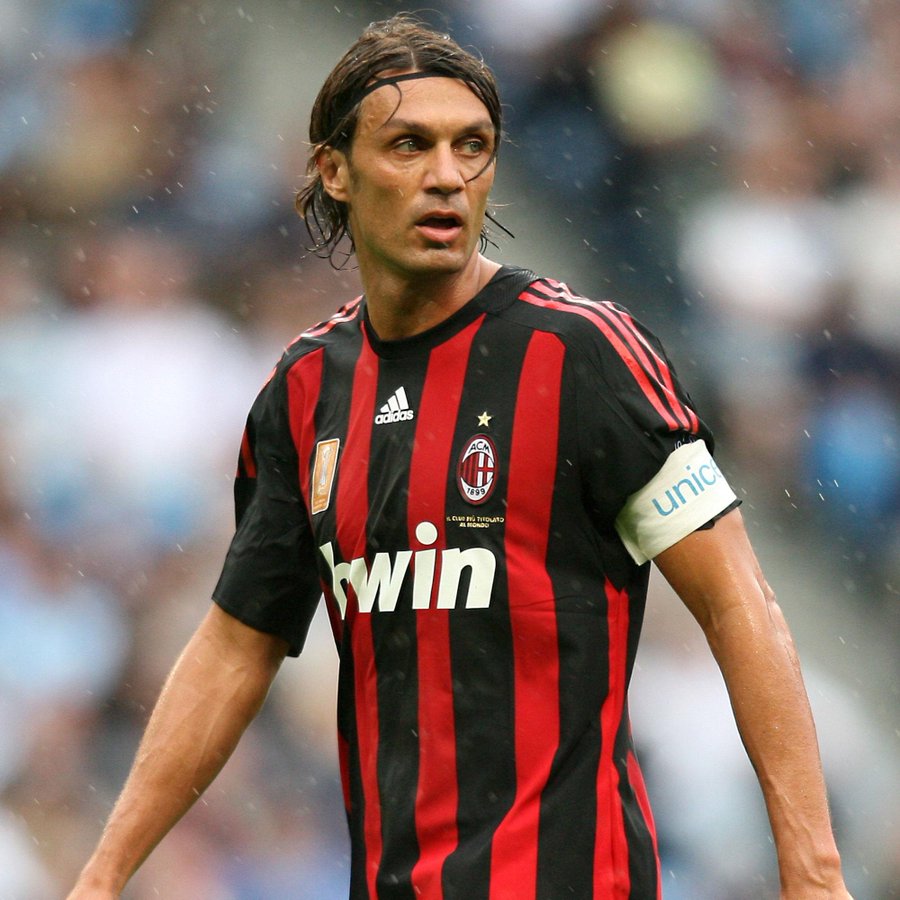
Maldini is the most difficult comparison to use properly.
Stylistically, Khusanov is not Maldini. Young Maldini was about elegance, timing, body shape, defensive intelligence and calmness. He seemed to remove danger before it became visible. His game was clean because his reading of the game was so advanced.
Khusanov is different. At this stage, he is more physical, more aggressive, more reactive. He can correct situations with speed and strength. Maldini often did not need to correct them because he had already prevented them.
So why mention Maldini at all?
Because the comparison can work in one sense: trajectory.
Maldini was a young defender trusted inside a giant football structure. He had to grow not only as an athlete but as a football thinker. That is the challenge for every defender who enters a top club early. Physical tools open the door, but they do not keep you there.
Khusanov is in that phase now.
His next step is not to become “more Maldini” in style. It is to turn his own qualities — pace, strength, discipline and courage — into positional maturity. The best defenders eventually stop relying on recovery speed so often because they read danger earlier.
That is the Maldini lesson for Khusanov: not elegance, but evolution.
Carles Puyol: character, not profile
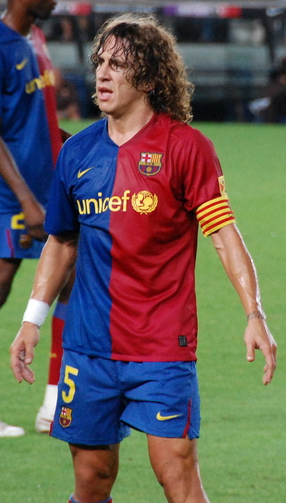
Carles Puyol is another comparison that should not be taken literally.
Puyol was not only a defender. He was an emotional leader, a captain, a player of responsibility, pain and total commitment. His value could not be measured only through technical or tactical categories.
Khusanov is not that player yet. He is not the commander of a top-club back line. He is not the voice around which a defence is organised. His current value is more functional: win duels, cover space, defend aggressively, bring speed and physicality.
But Puyol still matters as a mental reference.
A defender at a top club must survive mistakes. Especially a young defender coming from a football background that has rarely produced players at this level. The pressure around Khusanov is different from the pressure around a young player from Spain, France or England. For Uzbekistan, his presence at this level is already historic. That creates pride, but it also creates weight.
Puyol is useful here not as a stylistic comparison, but as a standard of mentality.
If Khusanov wants to remain at the top, he will need more than speed. He will need resilience, communication, courage after errors and the ability to keep defending the same way after a difficult moment.
That is the Puyol part of the conversation.
Manuel Akanji: the most realistic route at City
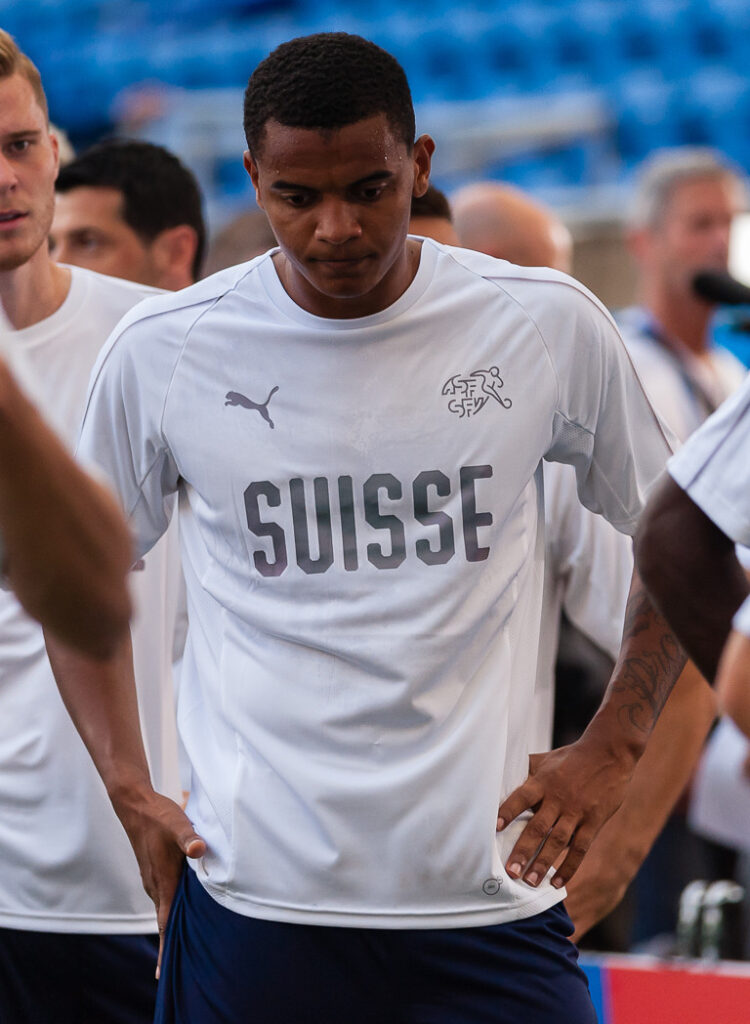
If we move away from legends and talk about the practical route, Manuel Akanji may be the most important reference.
Akanji did not arrive at Manchester City as the most hyped centre-back in Europe. He became valuable because he was reliable, intelligent and adaptable. He could play several roles, understand the structure and give Guardiola stability without needing the team to be built around him.
For Khusanov, this may be the most realistic path.
He does not need to become Ruben Dias immediately. He does not need to become John Stones. He does not need to be the symbolic leader of the defence. First, he needs to become trusted.
Trusted on the right. Trusted in the centre. Trusted in a high line. Trusted against fast forwards. Trusted when the game becomes chaotic.
That is how a defender earns a long-term place in a top squad: not through one spectacular tackle, but through repeated reliability.
The Akanji comparison is useful because it lowers the noise. It does not force Khusanov into a legendary frame. It shows a real development model: a versatile defender who becomes important because a coach can use him in different tactical situations.
Why not Ruben Dias or John Stones?
Khusanov is often pulled towards comparisons with City’s centre-backs simply because of the club he joined. But Dias and Stones represent different profiles.
Dias is a defensive leader. He organises the line, commands the box, communicates constantly and gives the team emotional and positional authority. He is not only a defender of duels, but a defender of order.
Stones is another case entirely. Under Guardiola, he became a centre-back who could move into midfield, build attacks, receive under pressure and progress the ball. His value is deeply connected to possession and positional play.
Khusanov is not that type of player at this stage.
He should not be judged as if he were already a build-up brain or a defensive captain. His profile is stronger elsewhere: speed, duels, recovery runs, physical coverage and defending the space behind the line.
That is not a weakness. It is a different role.
The mistake would be to ask Khusanov to be everything at once. The smarter approach is to understand what he already gives — and then develop the parts that still need work.
Would he suit Maresca?
The question around Enzo Maresca is interesting because he also comes from the positional football school. His teams usually want control, structure and a high defensive line. That kind of football can suit Khusanov — but only if the role is clear.
A fast centre-back is valuable in a Maresca-type system because the team often leaves space behind. When the opponent breaks pressure, defenders must survive open-field situations. Khusanov can help there.
But he cannot remain only a recovery defender.
To become more than a “firefighter”, he needs to improve in three areas.
First, decision-making on the ball. He does not have to become Stones, but he must know when to play simply, when to progress and when to avoid unnecessary risk.
Second, positional patience. Fast defenders sometimes trust their recovery speed too much. At the top level, the best solution is not always to chase. Sometimes it is to be two metres better positioned before the pass is even played.
Third, communication. In England, a centre-back needs voice, timing and control of the line. Language matters. Confidence matters. Managing partners matters.
If Khusanov develops those parts, he can suit Maresca. Not as a ready-made leader, but as a high-upside defender who gives the system athletic security.
So who does Khusanov resemble?
The cleanest answer is this:
Walker explains the function.
Thuram explains the right-sided power profile.
Kolo Toure explains the recovery defender.
Gallas explains the versatility.
Maldini explains the trajectory, not the style.
Puyol explains the mentality, not the role.
Akanji explains the realistic route at City.
The main thing is not to call Khusanov the “new” anyone. That only makes the discussion weaker.
He is interesting because he represents a modern defensive profile: fast, aggressive, brave in duels, comfortable defending space and potentially useful in several roles.
He is not the new Maldini. He is not the new Puyol. He is not the new Walker either.
The more interesting question is whether Abdukodir Khusanov can become the first truly elite Uzbek defender of this modern type: fast enough to defend space, brave enough to play high, and mature enough to survive inside a top-level system.