
Two more Uzbek talents have earned a chance in European football, with Sadriddin Khasanov and Sayfiddin Sodikov joining Portuguese club Braga’s U23 setup.

Interest from European clubs in Uzbek footballers continues to grow. Eldor Shomurodov and Abdukodir Khusanov have already established themselves at the highest level, while Muhammadali Urinboev is fighting for his place at Belgian side Antwerp.
Braga’s reputation makes the move an exciting one. The Portuguese club has built a strong record of developing young talent before selling players to Europe’s biggest leagues. But joining its academy is no guarantee of reaching the first team.
Khasanov and Sodikov must first establish themselves at youth level and prove they can compete in European football.
To understand their chances, Eurasia Football spoke to Bunyodkor manager Ilyas Zeytullaev and Andijan coach Sergey Arslanov, while also examining Braga’s pathway for young players.
Neither youngster has much senior experience. Khasanov made six Uzbek Super League appearances for Bunyodkor, playing 143 league minutes, as well as featuring once in the Uzbek Cup. Sodikov played just 35 league minutes across three appearances for Andijan.
Between them, they have fewer than 180 minutes of top-flight football. Braga are therefore signing potential rather than finished products. The club is investing in qualities it believes can be developed into professional careers.
What Braga See in Khasanov and Sodikov
Khasanov and Sodikov are attack-minded players who thrive in one-on-one situations. Both are comfortable carrying the ball, taking on defenders and creating chances through individual skill.
Those qualities stand out to the coaches who worked with them.
Bunyodkor head coach Ilyas Zeytullaev, whose own playing career included a spell at Juventus, believes Khasanov’s profile is well suited to European football.
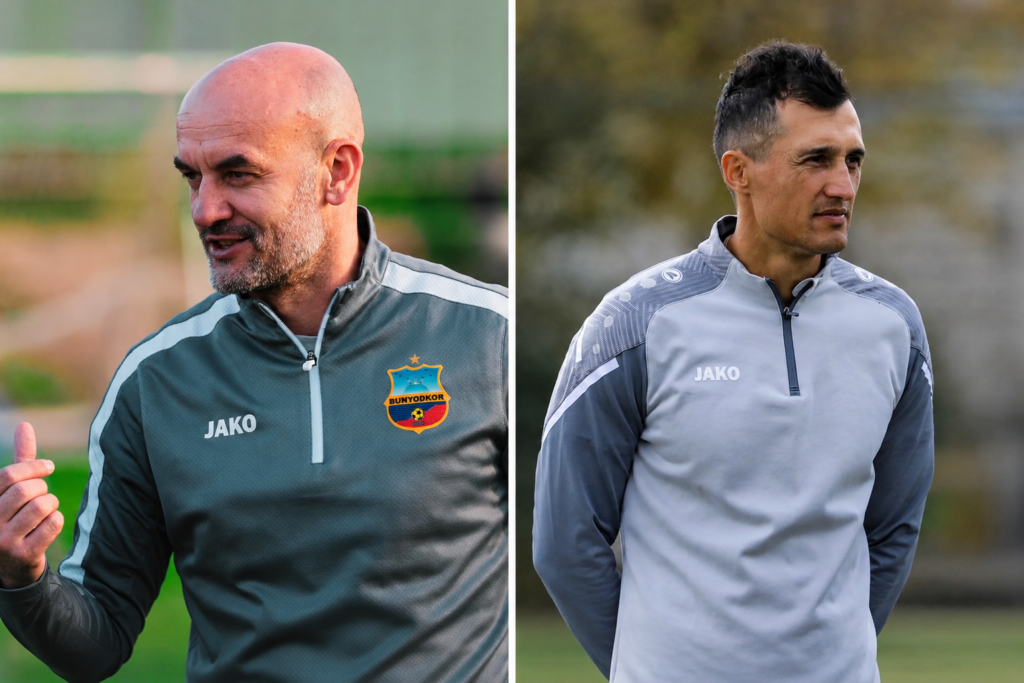
“His biggest strengths are his individual quality, unpredictability and ability to beat defenders one-on-one. He can easily get past one or two opponents. Players like that are highly valued today because they can unlock organised defences.”
According to Zeytullaev, Khasanov’s mentality is just as important as his technical ability.
“He’s fearless. He takes responsibility, doesn’t hide after making mistakes, keeps trying to beat defenders and works hard defensively. Off the pitch he’s a humble person, but on it he’s confidently aggressive.”
Sergey Arslanov only worked with Sodikov briefly after joining Andijan’s coaching staff, but he quickly recognised the youngster’s strengths.
“He’s a creative player with quick dribbling who always looks to make things happen. He isn’t afraid to take responsibility, attack defenders one-on-one or even take on two opponents.
“What matters is how quickly a player makes decisions in difficult situations and reacts when the game changes. Sayfiddin isn’t afraid to dribble, and his individual quality allows him to decide moments on his own.”
Inside Braga’s Development Pathway
Joining Braga’s U23 does not mean Khasanov and Sodikov have secured a place within the club’s long-term plans.
Instead, it is a starting point. During pre-season, the coaching staff will assess them alongside the club’s other young players before deciding where they best fit.
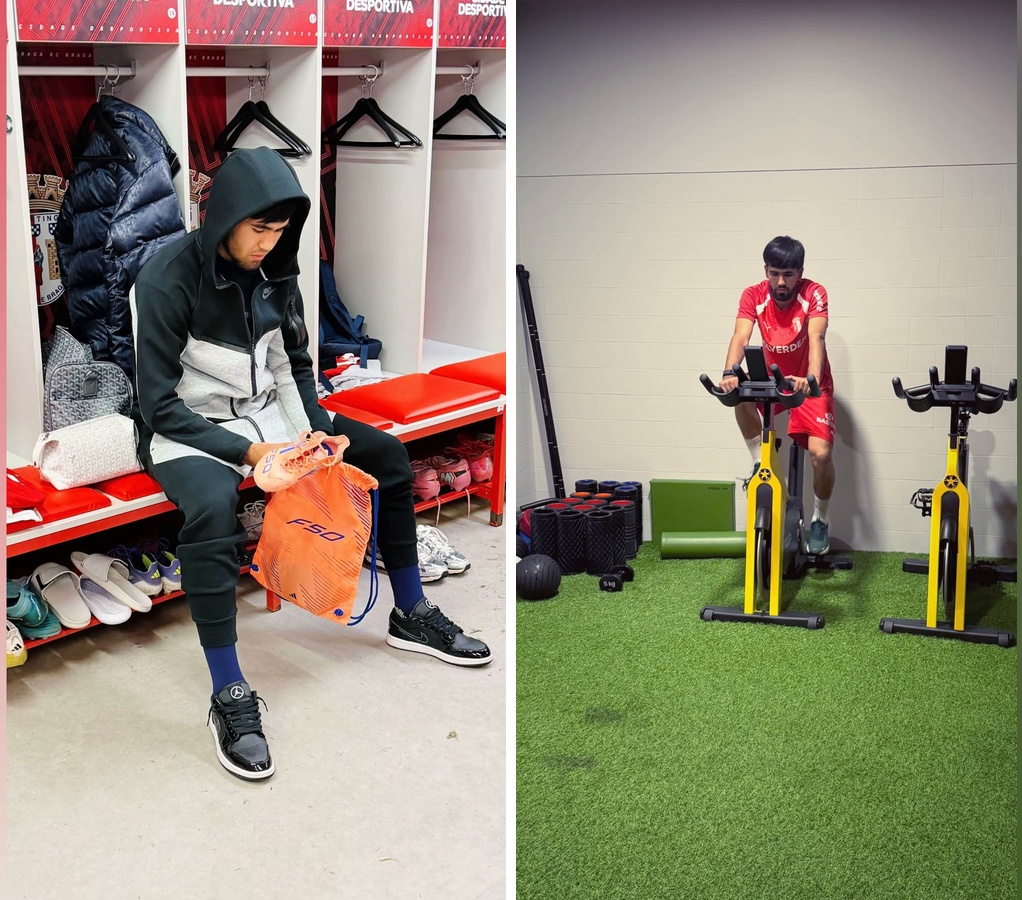
Braga’s pathway broadly consists of the U19s, U23s, Braga B and the first team. In reality, however, players move between squads depending on their age, development and the club’s needs.
For most prospects, the key step is Braga B rather than the U23s. Competing in Portugal’s fourth tier, the reserve side provides the first real test of senior football, where technical ability must stand up against older, stronger and more experienced opponents.
That means the immediate target for Khasanov and Sodikov is not the first team. Their priority is to establish themselves at youth level, earn regular minutes and prove they are ready for the next step.
How Realistic Is a Path to the First Team?
Braga have earned a reputation as one of Portugal’s best clubs for developing young talent. Their academy regularly receives the Portuguese Football Federation’s highest accreditation.
The U19 side have won national titles and impressed in the UEFA Youth League, while the U23s have reached the finals of Portugal’s U23 League Cup (Taça Revelação) on multiple occasions.
But a strong academy does not guarantee a place in the first team.
Every season, several academy players are given an opportunity, yet only one or two usually establish themselves. Some years, none do.
During the 2024/25 campaign, several Braga B players made their senior debuts, but only Francisco Chissumba became a regular, making 18 top-flight appearances.
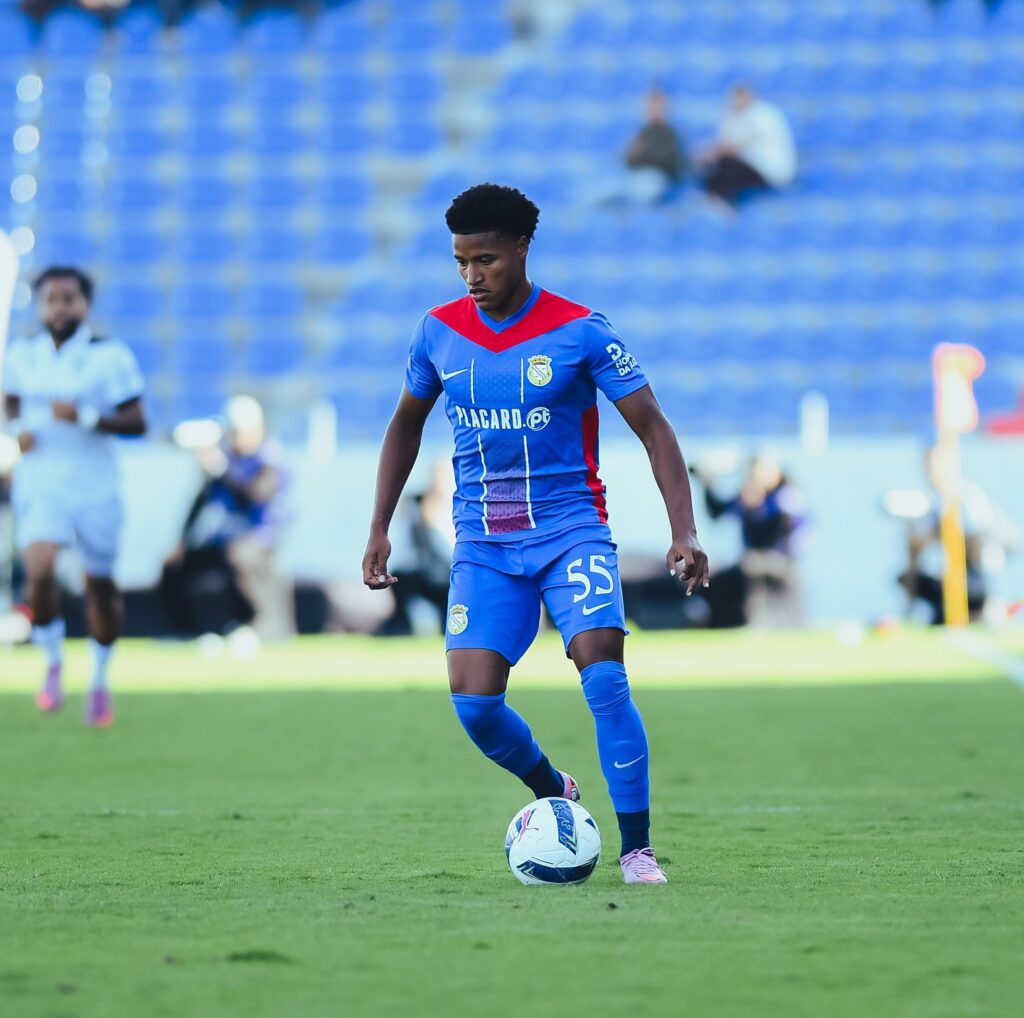
There have been stronger generations. In 2021/22, ten former Braga B players featured for the first team, including Vitinha now at Genoa and Rodrigo Gomes at Wolverhampton Wanderers. Those seasons, however, are the exception rather than the rule.
The example of Álvaro Djaló shows what is possible. After progressing through Braga’s academy and reserve side, he established himself in the first team before joining Athletic Club in a deal worth €15 million, excluding bonuses.
Braga’s pathway clearly works. But the distance between joining the academy and becoming a first-team player remains enormous. For Khasanov and Sodikov, earning a place in the senior squad will require years of development, consistency and hard work.
International Players Are Part of Braga’s Model
The Uzbek duo are unlikely to face additional barriers because they are foreign players. Overseas footballers make up the majority of Braga’s first-team squad, while around a third of the club’s academy players come from outside Portugal.
That means the two Uzbeks are entering an international environment. At the same time, they will receive no special treatment. Competition is fierce, regardless of nationality.
Braga’s current U23 attacking group already includes eight forwards and wingers. Khasanov and Sodikov are therefore competing not for a distant opportunity, but for playing time from day one.
Many coaches also believe Uzbek players often need longer to adapt in Europe. They are sometimes described as reserved and slow to settle into a new environment. Moving together, however, should make that transition easier.
What Would Count as Success?
Moving to Braga already looks like a smart career step. The club offers excellent facilities, a highly regarded academy and a clear pathway for developing young players.
But the success of the move should not be judged by Braga’s name alone. It will be measured by the players’ development.
If Khasanov and Sodikov establish themselves with the U23s before progressing to Braga B, the transfer can already be viewed as a success. If they remain on the fringes of the academy without regular playing time, however, the prestige of the club will count for little.
“At this age, the most important thing is to play,” Zeytullaev told Eurasia Football. “If they are getting minutes for the U23s, youth team or Braga B, that’s beneficial. The tactical and physical level is completely different.”
Even so, Zeytullaev acknowledges that regular senior football in Uzbekistan can sometimes be more valuable than sitting on the bench in Portugal’s lower divisions.
For now, Khasanov and Sodikov have earned only an opportunity. Braga have identified the qualities modern football demands: pace, courage, dribbling ability and the confidence to create something unexpected.
The next step is proving those qualities can withstand the intensity, competition and physical demands of European football.